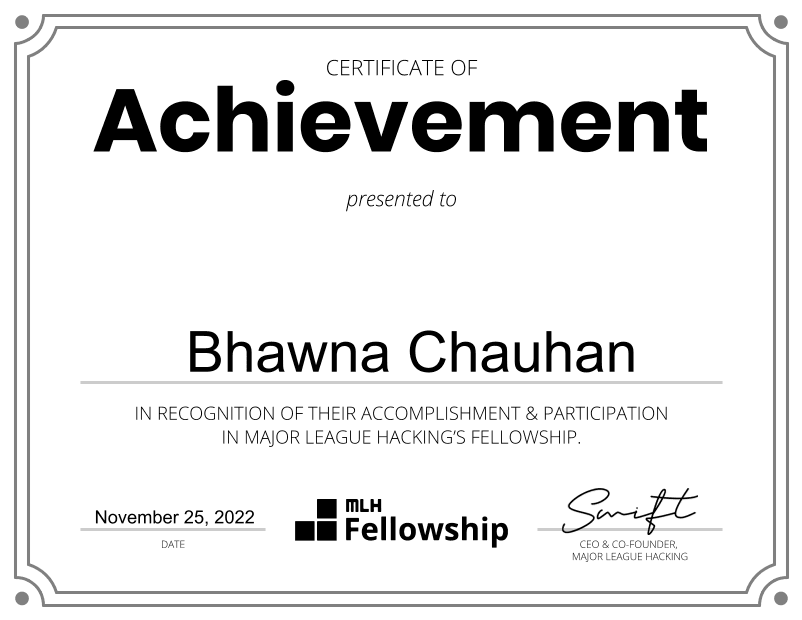
Being selected as one of 16 developers from around the world for the MLH Fellowship felt exciting and slightly unreal. I knew I would be writing code, but I did not yet understand how much of the experience would be about people: learning how they think, communicating across cultures, and building trust while working entirely remotely.
The fellowship gave me a space to build, ask questions, share unfinished ideas, and become more comfortable working in public. By the end of it, I had collaborated on two frontend projects, delivered lightning talks, and learned how a distributed team turns individual effort into something shared.
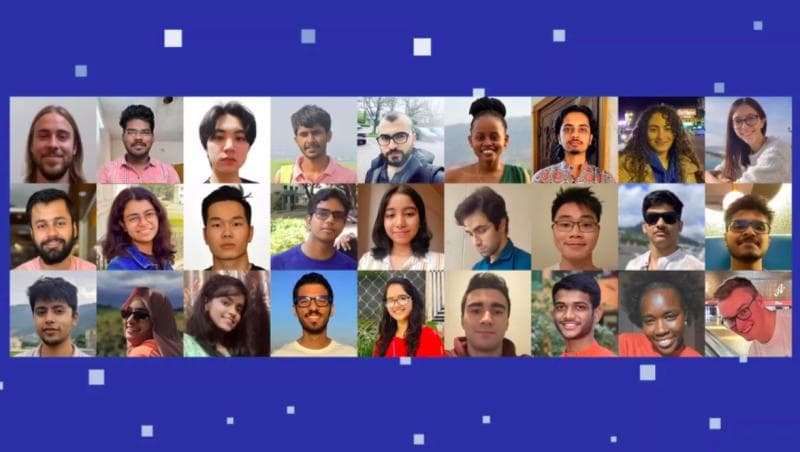
Joining a global pod
My pod brought together developers with different backgrounds, experiences, and ways of approaching a problem. That diversity made the work more interesting, but it also asked us to communicate with care. We could not assume everyone had the same context, schedule, or working style.
Remote collaboration taught me to make my progress visible. I learned to explain what I was working on, raise blockers early, listen before proposing a solution, and leave enough context for someone in another part of the world to continue the conversation.
Building our pod portfolio
One of our projects was a portfolio for the pod, built with Ruby, HTML, and CSS. It was more than a collection of profile cards. It was a small shared identity for a group of people who had met online and were learning how to build together.
Working on it helped me understand the less visible parts of collaboration: agreeing on structure, keeping styles consistent, reviewing each other's work, and making sure many individual contributions still felt like one product.
Building a responsive weather app
I also developed a weather application using React. My focus was to make it responsive, performant, and easy to use across different screen sizes. The project pushed me to think beyond whether a feature simply worked. I had to consider how quickly the interface responded, how information was presented, and whether the experience remained clear on a smaller device.
Building the app strengthened my understanding of component-based development and showed me how small frontend decisions add up. A clean layout, sensible component boundaries, and thoughtful feedback to the user can make a simple product feel much more reliable.
Standups, blockers, and small wins
Daily standups became an important rhythm during the fellowship. They encouraged me to be precise about what I had completed, what I planned to do next, and where I needed help. Saying those things clearly sounds simple, but it builds accountability and keeps remote teams from quietly drifting apart.
The standups also showed me that progress is rarely one dramatic moment. It is a series of small wins: fixing a layout, understanding a review comment, helping a pod member, or finally explaining a blocker well enough for the team to solve it together.
Learning through lightning talks
Delivering lightning talks was another part of the experience I valued. Preparing a short talk forced me to understand an idea well enough to explain it simply. Listening to other fellows made the learning feel reciprocal; everyone had something useful to teach, regardless of how long they had been coding.
Those talks made me more confident about sharing technical ideas. They reminded me that communication is not separate from engineering. It is how we make our knowledge useful to other people.
What I carried forward
The MLH Fellowship helped me become a better frontend developer, but its biggest lessons were about collaboration. I learned how to work with a multicultural team, contribute consistently in a remote environment, ask for help without hesitation, and communicate what I was building.
Being one of 16 developers selected from around the world gave me confidence, but working alongside the other fellows gave that confidence direction. The fellowship showed me that good software is built through both technical decisions and human connection. I still carry that into every community, team, and product I work with today.