At Mimo Capital, I worked as a Developer Relations Engineer and led community and growth for Aya. The most exciting part was also the most difficult: there was no mature developer ecosystem waiting for me to manage.
We had to build it.
That meant thinking beyond content calendars and event registrations. We needed developer infrastructure, repeatable programs, useful education, local market context, and clear reasons for technical people to return.
Starting with the ecosystem, not the audience count
Aya is an open-source, AI-powered multichain wallet designed to make blockchain interactions more accessible while preserving the capabilities experienced users expect.
For a product like that, the developer community could not be an afterthought. Developers needed a place to discover resources, use our tools, participate in programs, and build things that moved the ecosystem forward.
I led the ecosystem from the ground up. Within four months, we onboarded more than 10,000 members. But the number only became useful when those members had meaningful ways to participate.
Building Aya Codex as developer infrastructure
One of the central pieces was Aya Codex, a developer platform used to host internal tools and support our go-to-market strategy for technical audiences.
Building a platform made our programs less dependent on scattered links and manual operations. It gave us a foundation where developers could find the next action instead of waiting for someone to explain it in a chat.
This experience reinforced something I had begun learning in earlier roles:
Developer experience includes everything between curiosity and the first successful result.
Programs designed to create builders
We ran technical initiatives including Build & Learn Week, the Hack the Vibe Hackathon, Road to Devcon, and Bot-a-thon.
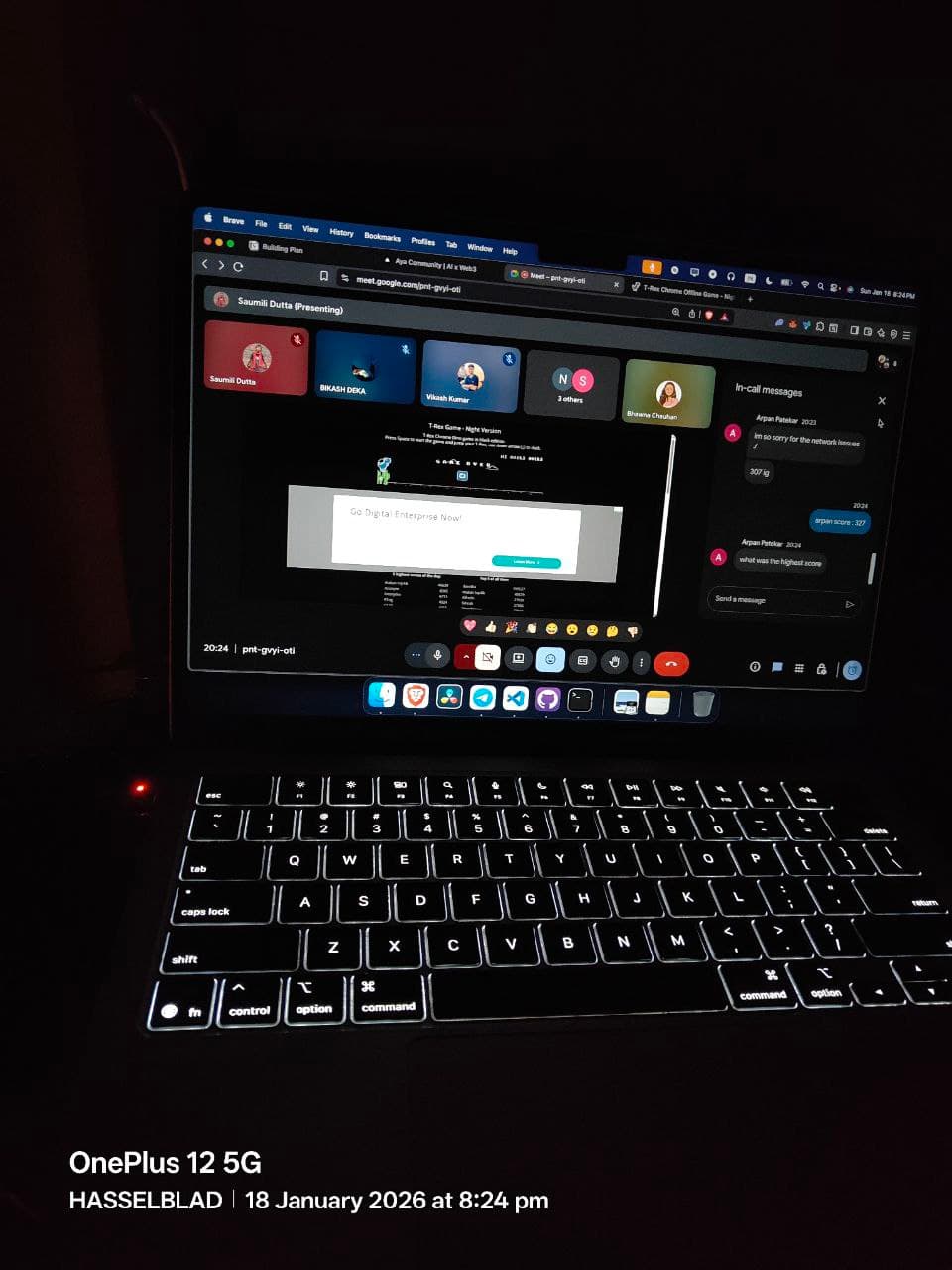
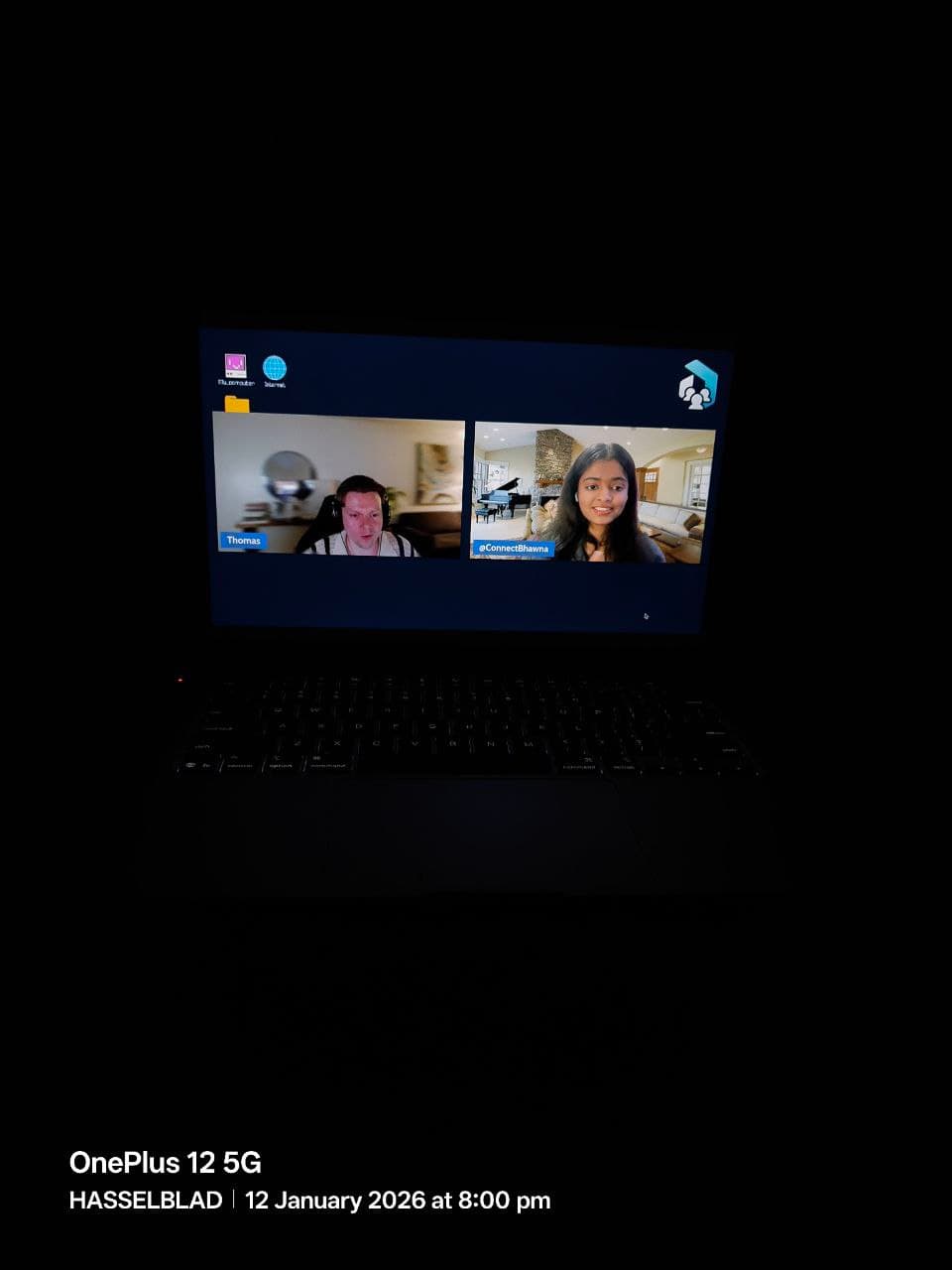
Each program served a different point in the developer journey. Education helped people understand what was possible. Hackathons gave them a deadline and a team. Demo moments gave the strongest projects visibility. Follow-up helped promising builders remain connected to the ecosystem.
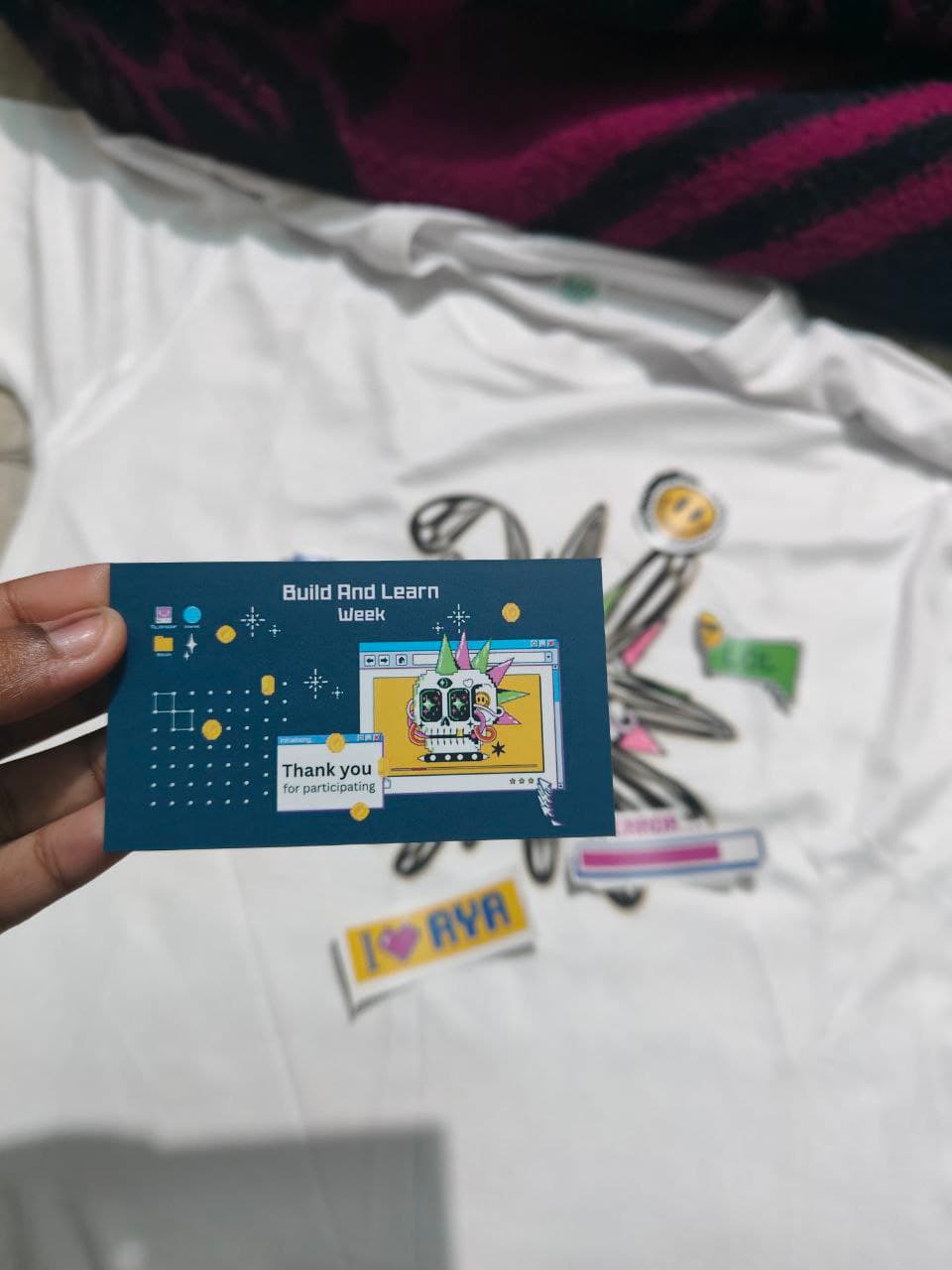
The events were not separate marketing moments. Together, they formed a path from learning to building to sharing.
Growing across markets
I also directed community growth across markets including Vietnam, Indonesia, and the UAE.
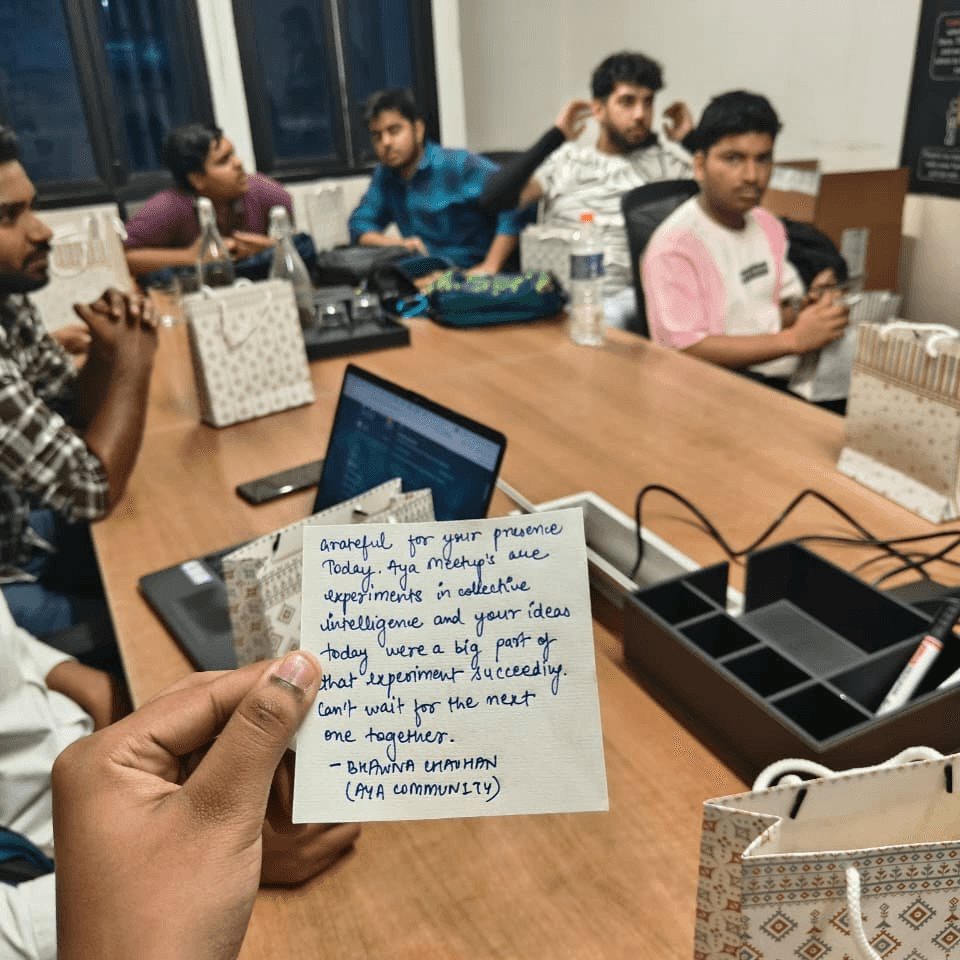
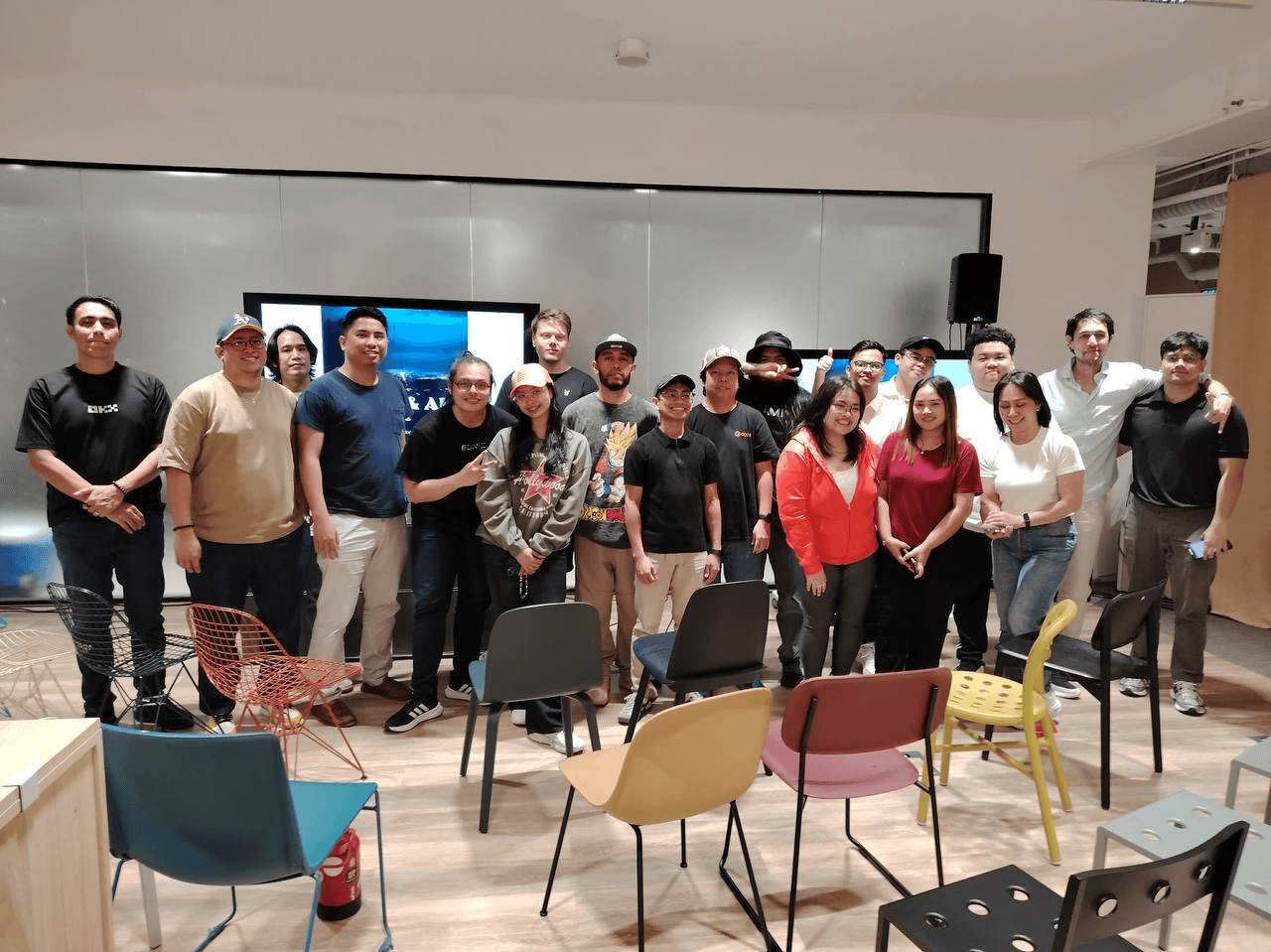
Global expansion taught me to stop treating translation as localization. A message can be translated perfectly and still fail because the local developer culture, events, channels, or motivations are different.
We had to understand where developers already gathered, which partners they trusted, and what kind of program would create value in that market. Local growth begins with local listening.
Connecting community, product, and operations
My time at Mimo taught me that ecosystem growth is strongest when community, product, education, and operations are designed together. When those functions work separately, developers feel the gaps. When they work as one system, every program makes the next one easier to grow.