In February 2023, I applied for the XROS Fellowship with more curiosity than confidence. I knew I enjoyed open source and building things, but XR still felt like a huge world full of words I was only beginning to understand.
A few months later, I was contributing to an open-source XR project, working remotely with experienced engineers, and learning how much software exists between putting on a headset and seeing a virtual world.
This is how that happened.
Finding the fellowship
XROS was an initiative supported by Meta and FICCI and implemented with Reskilll. Its goal was to support Indian developers working on open-source XR technologies through mentorship, project experience, and a stipend.
The application was not a single form followed by a yes or no. I prepared project proposals, studied the organizations, and went through multiple technical conversations. I remember applying to two project tracks and completing four interviews before I finally knew where I would be working.
That process taught me my first lesson before the fellowship had even started:
You do not need to know everything before applying. You need enough curiosity to prepare seriously and enough courage to be a beginner.
Entering the world of MonadoXR
I joined the work around MonadoXR with the Collabora team. MonadoXR is a cross-platform, open-source OpenXR runtime. In simple words, it provides many of the building blocks that XR devices and platforms need to run experiences across Linux, Windows, and Android.
Until then, most of my projects had a visible result: a web page, an Android application, or a hackathon demo. XR runtime work was different. There were layers of systems code, graphics, devices, and standards underneath the part a user sees.
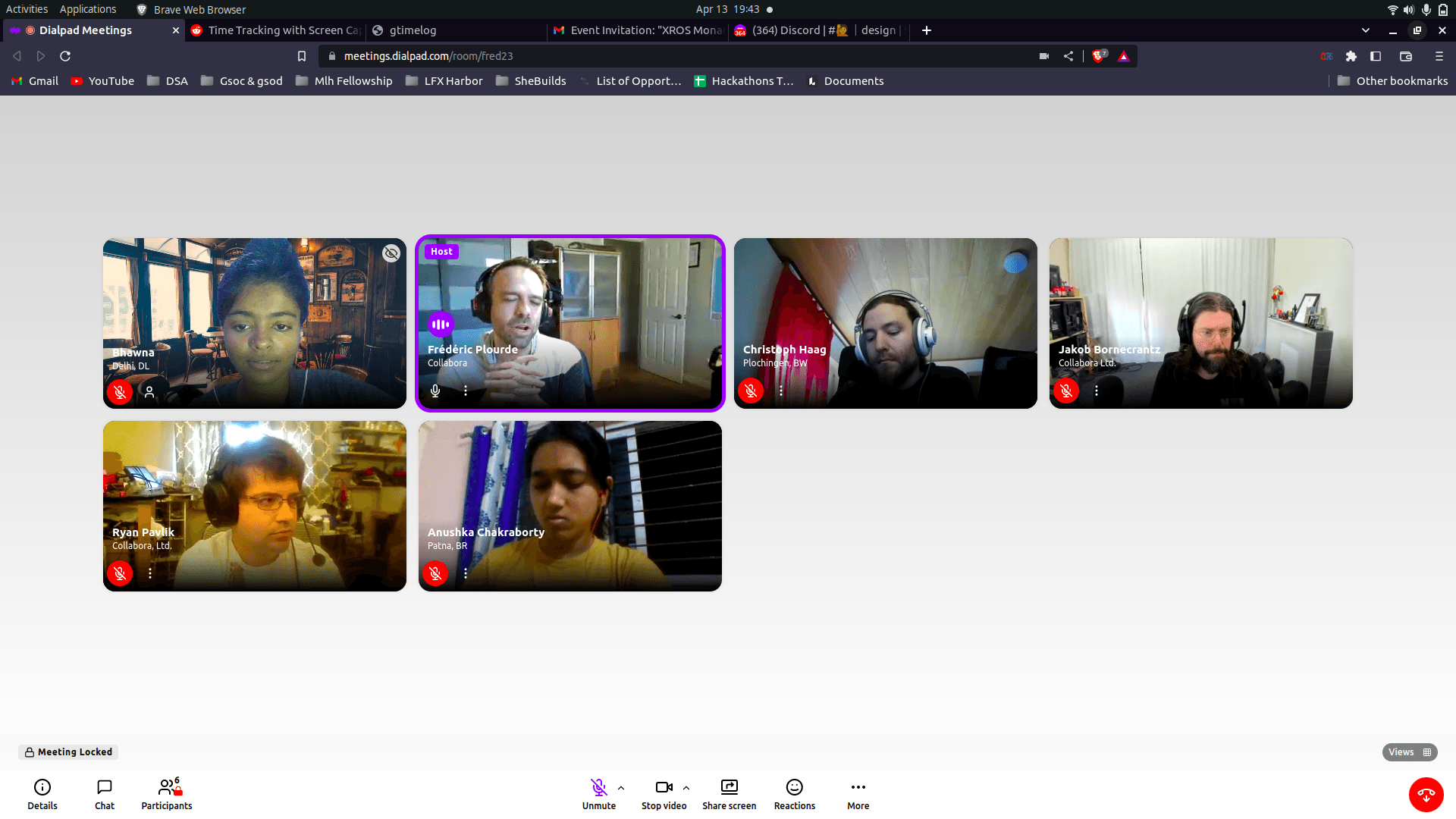
My teammate Anushka and I worked with mentors who helped us understand the project and its expectations. I am especially grateful to Frédéric Plourde and Lubosz Sarnecki for being patient with our questions and giving us space to learn.
What remote open source taught me
Remote work sounded simple from the outside: open the laptop, attend meetings, write code, and send updates. In reality, it demanded a new kind of discipline.
- I learned to write down blockers instead of silently carrying them.
- I learned to ask focused questions with the context already attached.
- I learned that reading an unfamiliar codebase is real engineering work.
- I learned to communicate progress even when the progress was research.
- I learned that good mentors guide your thinking rather than hand you answers.
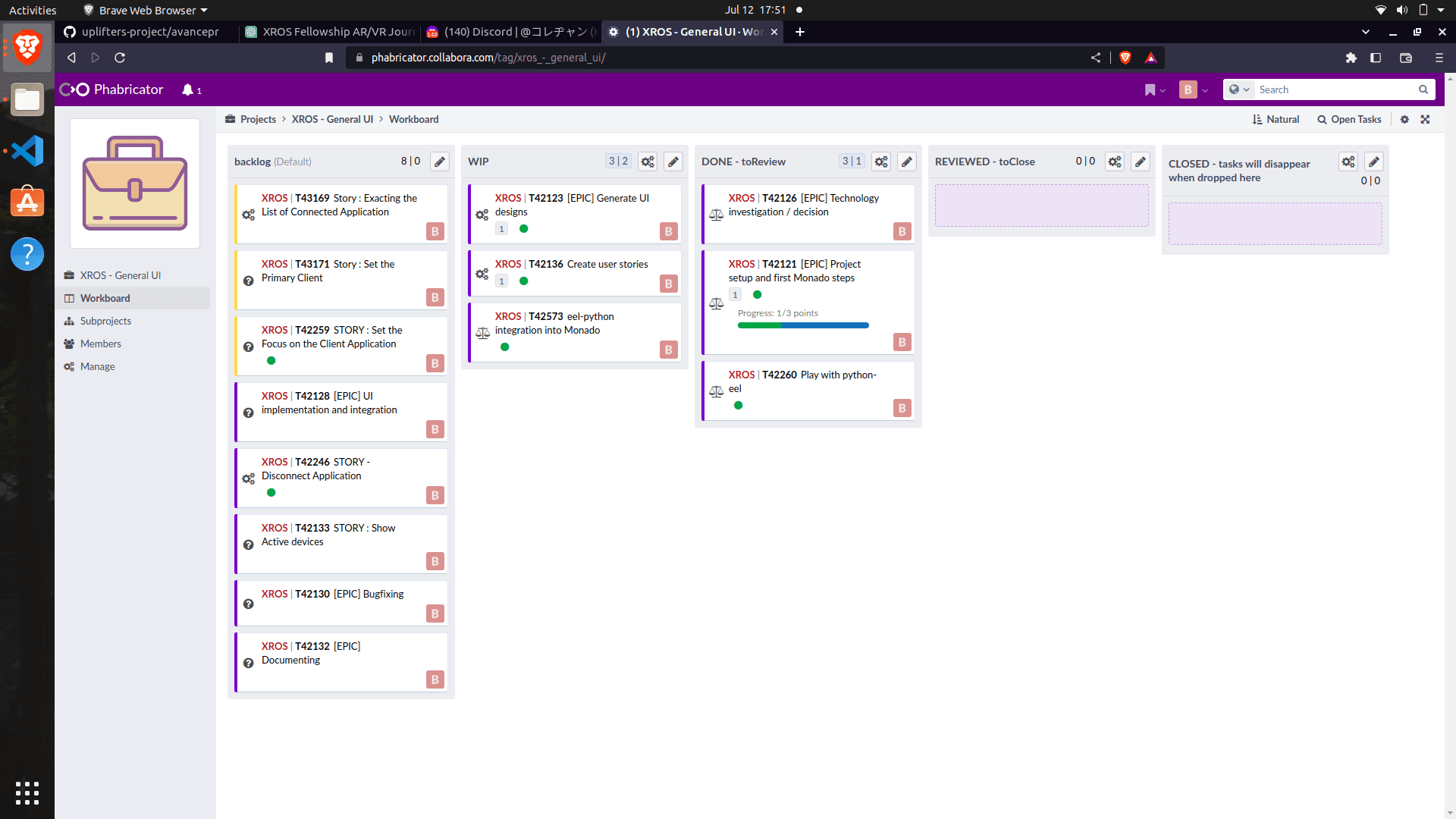
There were days when I felt slow. There were technical terms I had to search more than once and discussions I understood only after reading them again. But slowly, the unfamiliar parts started connecting.
The milestone at the end
The fellowship ran for three months, from April to June. Along with the technical learning, it came with a stipend of INR 4 lakh. For me, that was not only financial support. It was proof that learning in public, contributing to open source, and taking unusual paths could create real opportunities.
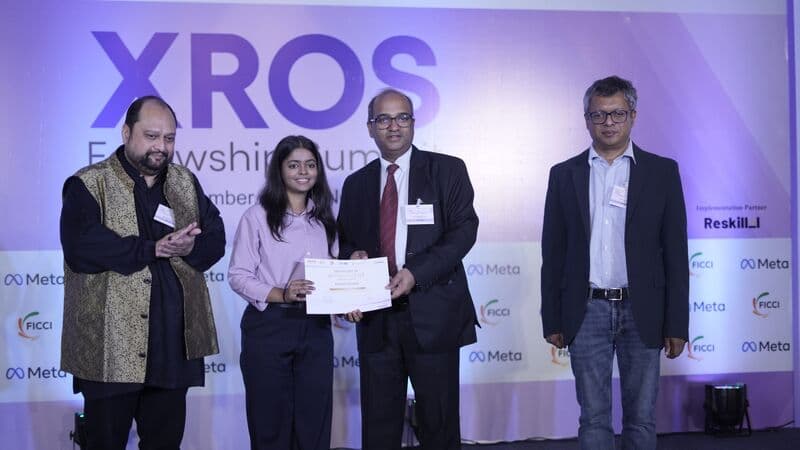
Later, completing the fellowship and being recognized at an event with leaders from FICCI, public policy, and Meta felt surreal. But the part I value most is quieter: I entered the program unsure whether I belonged in XR and left knowing I could learn my way into a difficult space.
What I would tell a future fellow
Do not wait until your profile looks perfect. Read the project ideas, understand the problem, prepare a thoughtful proposal, and show the work you have already done.
During the fellowship, communicate early. Share the thing you tried, the result you got, and the exact place where you are stuck. Remote teams cannot see your effort unless you make it visible.
Most importantly, let yourself be new at something. XROS did not make me an expert in three months. It gave me something more useful: a better way to enter unfamiliar technical worlds.